


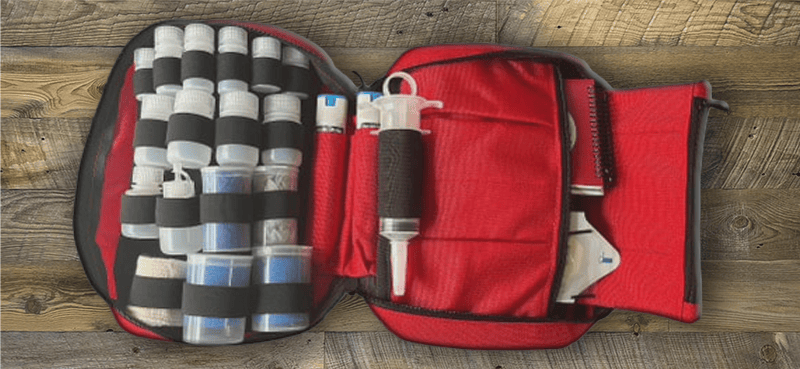

The Minimalist First Aid Pack
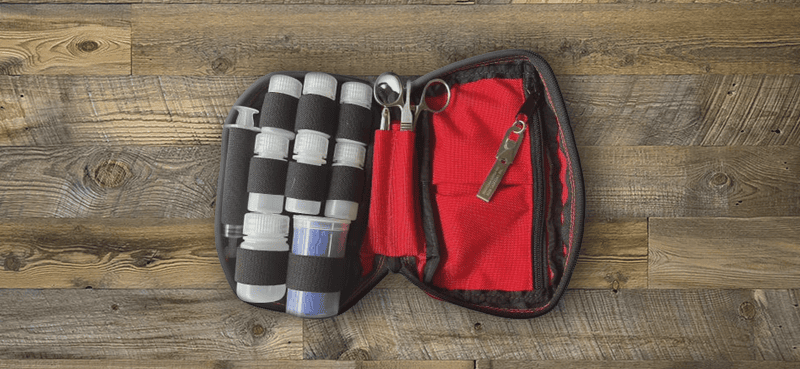
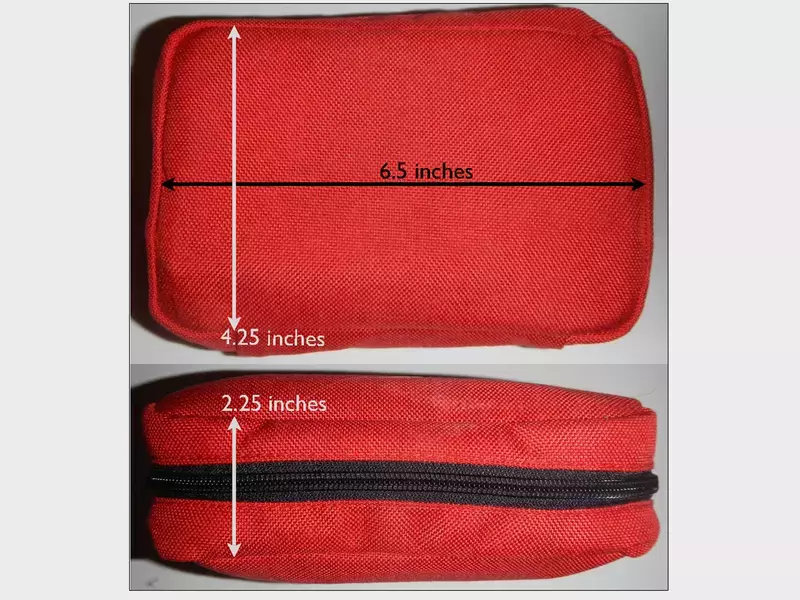
The Minimalist Pack (3.75 oz/110 g) is our smallest pack, yet has many of the features found in our larger packs. It is designed for two separate but similar functions:
- As a small first aid kit for 1-3 people on a low-risk, low-consequence half- or full-day trip.
- As a personal “ouch” kit on a longer trip or expedition when a group first aid kit is carried to address more serious injuries, and each member has been trained to treat minor wounds, blisters, etc.
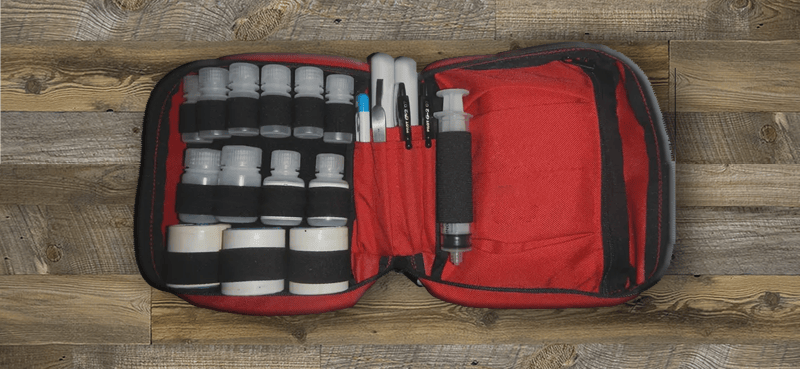
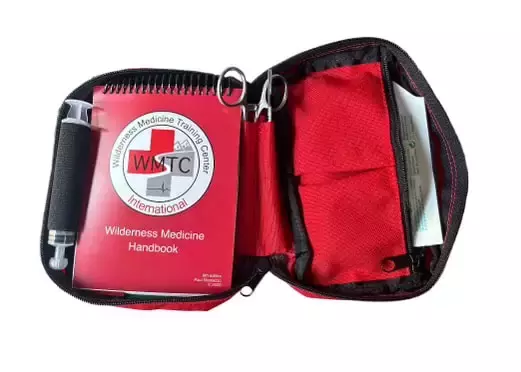
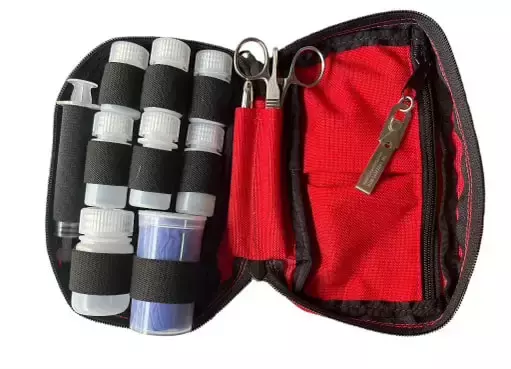
Like all our packs, the Minimalist Pack is not sold as a complete first aid kit; it is shown with contents to illustrate common custom configurations. Before going further, we assume you’ve read the article, Wilderness & Remote First Aid Kits, which explains the basic principles of designing a first aid kit that meets your needs. If you haven’t, please read it now.
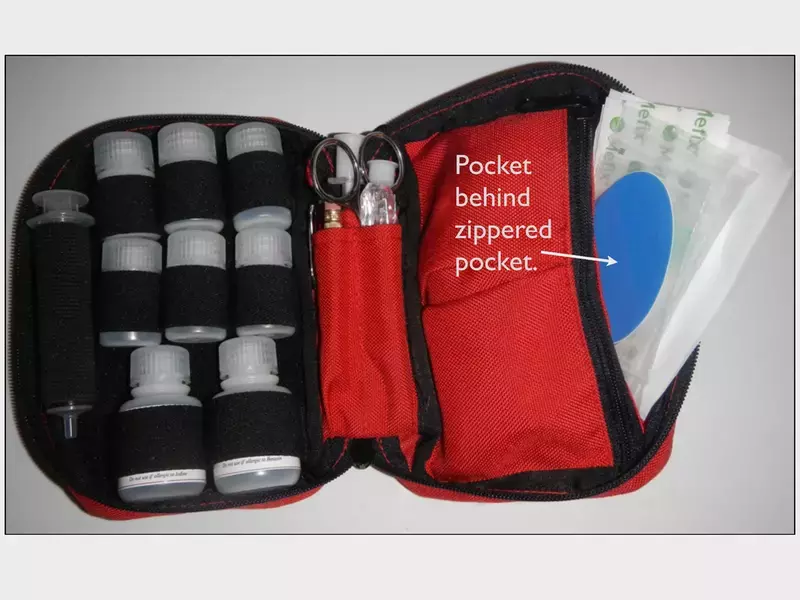
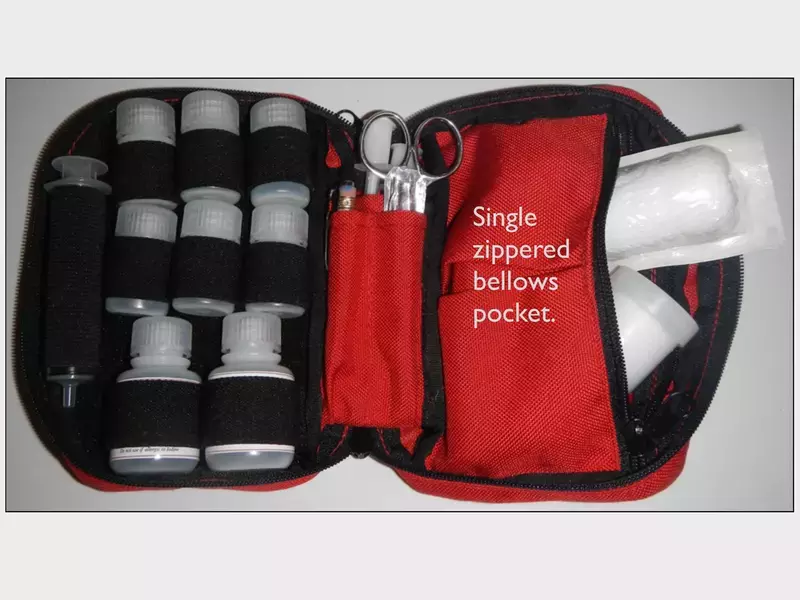
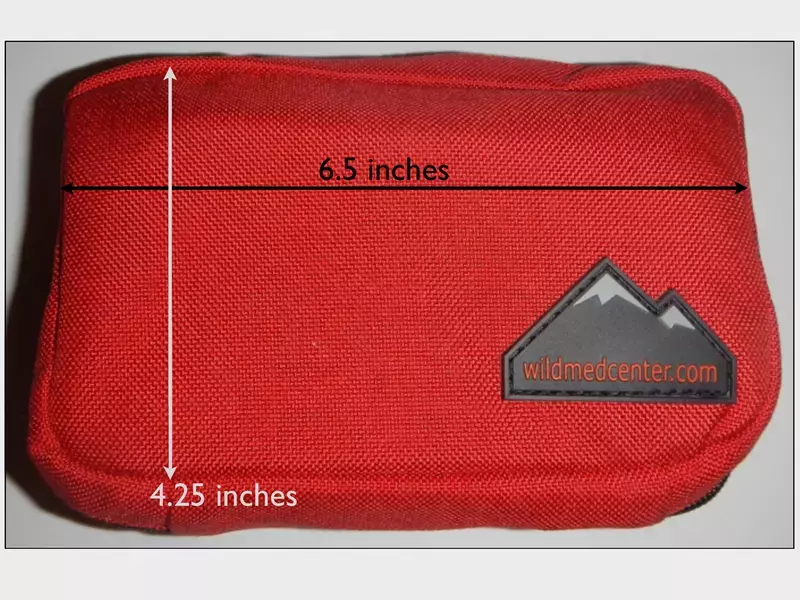
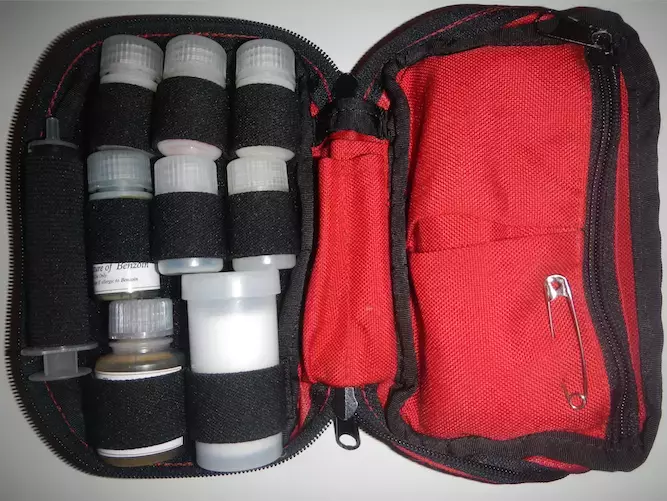
Playing in the backcountry is generally safe; life-threatening injuries and illnesses are rare, especially among healthy, fit individuals. Most traumatic injuries are simple cuts, scrapes, and blisters, although stable injuries—and, less frequently, unstable injuries—occasionally occur. Environmental problems, such as dehydration, heat exhaustion, sunburn, mild hypothermia, and cold injuries, are often preventable with proper training and preparation. Assuming no serious preexisting medical conditions, medical problems tend to involve headaches, general aches and pains, and, on longer trips, illnesses associated with poor hygiene and other causes that may be difficult to prevent.
Yet, no matter where you go, it always seems that someone gets a cut or blister. And wherever bees, wasps, hornets, or fire ants are present, you need to be prepared for a potentially life-threatening allergic reaction. Finally, everyone has aches and pains. These are the basics and what we recommend carrying to treat them.
In order to understand and responsibly use the materials and medications discussed on this page, we recommend, at minimum, taking our Wilderness First Aid course—guides and outdoor instructors should take our Wilderness First Responder course—and carrying our print or digital Wilderness Medicine Handbook.
Our packs have undergone over thirty years of design, rigorous testing, and redesign for function and durability. We design them and manufacture them; our graduates tell us they are the BEST first aid packs on the market. Their look, construction, and durability are unmatched, and with basic care, they will last a lifetime.
Assembling a Basic First Aid Kit using our Minimalist Pack
We offer three optional supply bundles designed specifically for the Minimalist Pack. Each bundle simplifies purchasing related supplies and saves 15% compared with buying the items individually. Select the bundles and additional supplies that fit your needs.
Supply bundles for the Minimalist Pack

Additional Supplies We Recommend
You need materials to clean, dress, and bandage a wound to prevent it from becoming infected and to promote healing. Use clean, drinkable water to pressure-flush the wound free of dirt and bacteria before covering it. Dressings are applied directly to the wound after cleaning, and bandages are applied over the dressing to hold it in place. In some cases, a dressing and bandage are one and the same.
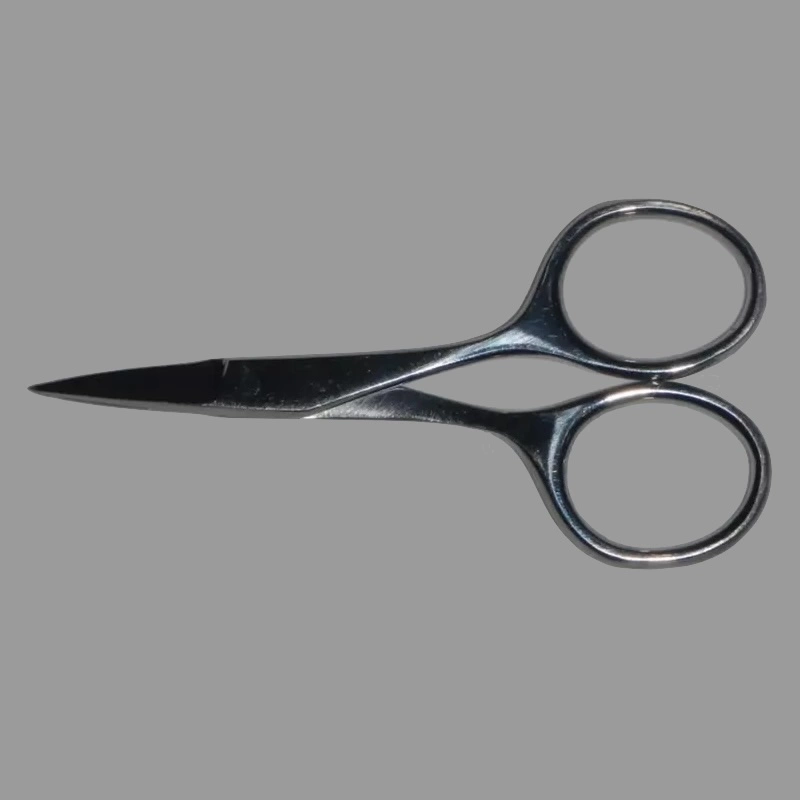
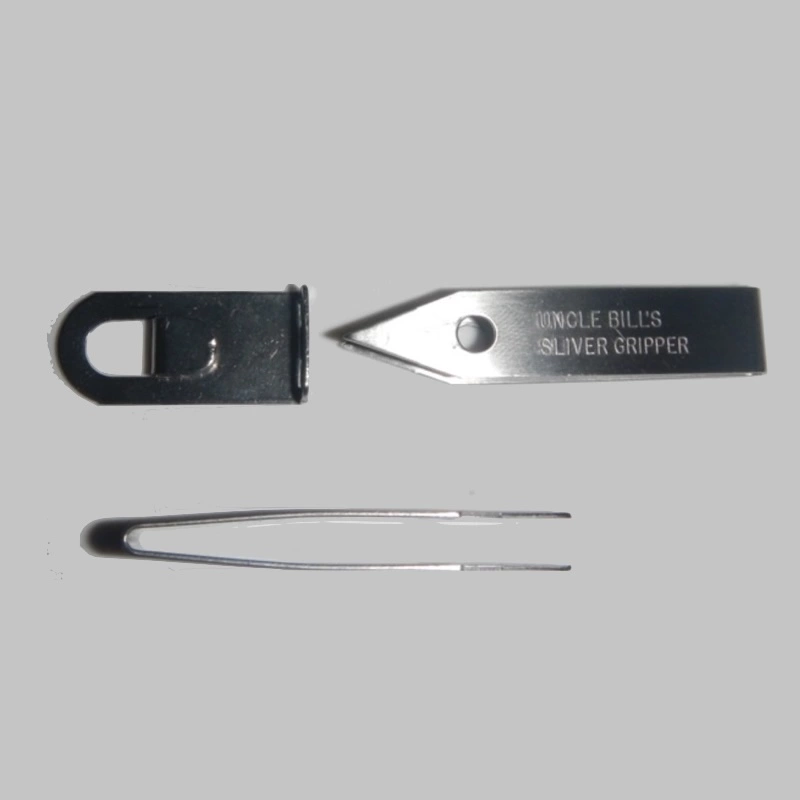
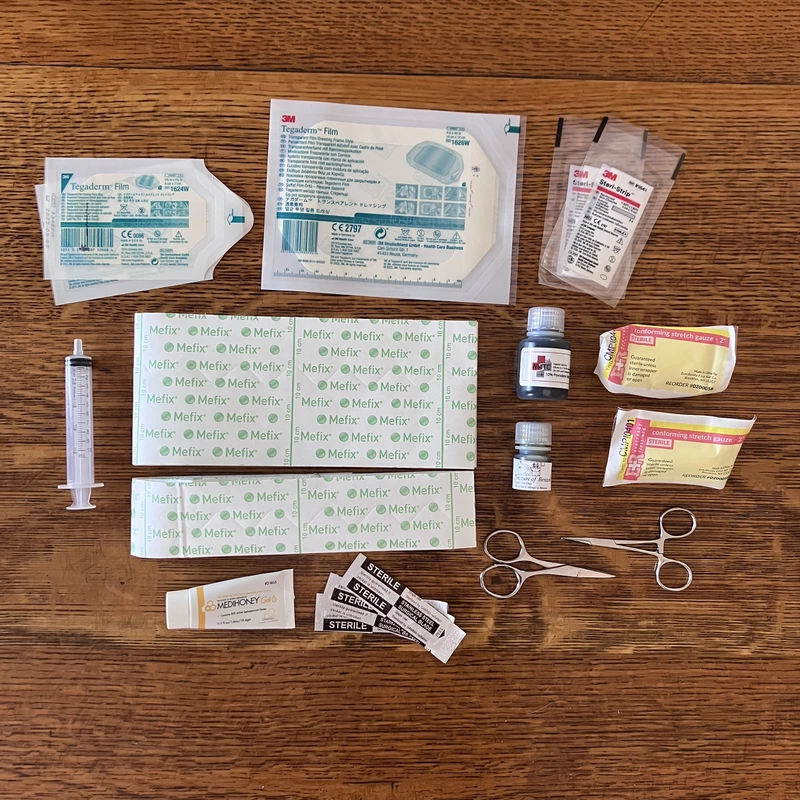
We like cleaning a wound with a syringe; it’s easier to use and generally more effective than cutting a corner off a plastic bag. The size of the syringe depends on individual preferences and is somewhat dictated by the type of pack you choose to carry. A 10 cc syringe fits into our Minimalist Pack. While 60 and 30 cc syringes are easier to use because of their greater volume, they are also larger and heavier. Before flushing the wound with water and a diluted 1% povidone-iodine (PI) solution, remember to wash the surrounding skin with soap and water or water followed by a 10% PI solution. This reduces the number of bacteria on the surrounding skin and helps prevent contamination of the wound during cleaning. A pair of tweezers or hemostats can be handy to remove visible debris as well as cactus spines and splinters.
We prefer to carry roller gauze, a small bottle of Tincture of Benzoin, and MediHoney to promote healing and prevent infection; white petroleum jelly (Vaseline®) or a petroleum-based antibiotic ointment (Triple Antibiotic Ointment®, Neosporin®, etc.) also work. We use a section of roller gauze and flexible medical tape to dress and bandage simple wounds rather than carry an assortment of band-aids (unless I’m on a short trip with young kids, then Dora and Star Wars band-aids have their uses). That said, we don’t carry individually wrapped gauze pads; instead, we cut what we need from a two-inch gauze roll. After you have thoroughly cleaned the wound, paint the skin around it with two coats of Tincture of Benzoin to help the tape stick. Then cut and impregnate a few layers (about a quarter of an inch) with your ointment of choice for the dressing, and place it over the wound to protect it and promote healing. The Tincture of Benzoin should extend roughly 3/4 of an inch past the edges of the gauze on all four sides. Finally, cut enough flexible medical tape to cover the dressing and Benzoin. Monitor for the signs and symptoms of a local infection: increased redness, tenderness, pain at the site during the next 48 hours. If you see increasing redness, pus, pain, or tenderness, re-clean the wound, add your ointment of choice, and cover with a foam dressing.
For clean shallow cuts, especially to the face, we recommend using Steri-Strips to close the wound to decrease scarring and promote healing. Never close a deep or excessively dirty wound in the field. Use Tincture of Benzoin to help the strips adhere. To use: approximate the wound edges—avoid overlapping—place the steri-strips about 1/8 of an inch apart.
If you're in a wet environment—a place where it rains a lot or I’m paddling—we recommend covering the wound with a micro-thin film dressing because they are clear, waterproof, and breathable. You can put them directly over a wound, over steri-strips, or over a dressing and ointment. Coat the surrounding skin with Tincture of Benzoin to ensure it adheres well and stays in place.
Blisters
Blisters are the bane of hikers and active men and women everywhere. Fortunately, with a little attention, they are relatively easy to prevent and treat. If you have new footwear and are concerned about getting a blister, try painting the back of your heels and any place on your foot that concerns you with Tincture of Benzoin and cover the area with flexible medical tape (MeFix®). That said, the BEST prevention, by far, is ENGO Blister Patches. ENGO patches adhere to your footwear, NOT your foot and will last for weeks before needing replacement. If you regularly get blisters, put an ENGO patch on your hiking boot before you start hiking. If you get a hot spot after applying MeFix, stop and put an ENGO patch to your boot to dramatically lower your chances of developing a blister.
If you get a hot spot and fail to treat it, you will likely get a blister. For blisters dime-sized or smaller, drain the fluid and preserve the lid before covering them with a hydrocolloid dressing. For larger blisters, which may refill and enlarge with continued hiking, consider removing the lid before applying the dressing. Then apply an ENGO patch to the corresponding area inside the footwear to reduce friction.
Life-threatening Allergic Reactions
Life-threatening allergic reactions, also known as anaphylaxis, are unpredictable and, while rare, can quickly lead to death. Bee, wasp, fire ant, hornet, and other types of stings are common causes, as are food and drug allergies. The ONLY treatment is an intramuscular shot of epinephrine; epinephrine reverses the signs and symptoms. Carry two auto-injectors, as some people require multiple doses.
Administer an over-the-counter (OTC) H1 oral antihistamine after you treat someone with epinephrine to prevent itching and hives from returning once the epinephrine has metabolized; consider loratadine (Claritin®) or cetirizine (Zyrtec®); the adult dose for both drugs is 10 mg/day. Antihistamines do not treat the life-threatening effects of anaphylaxis, and their use should never delay administering epinephrine.
General Aches & Pains
Most general aches and pains from muscle soreness to headaches can be treated with ibuprofen (adult dose is 200 mg every 6 hours) or acetaminophen (adult dose is 500 mg every six hours), whichever you prefer. For acute pain, consider doubling the dose and take both at the same time for a maximum of 72 hours; they have different mechanisms of action and together are as effective as an oral opioid.
Consider carrying the following Over-the-Counter (OTC) or Prescription (Rx) Medications
You’ll need a prescription from your physician, or your organization’s physician advisor to purchase and carry Rx medications.
- Chewable 81 mg tablets of aspirin (OTC) to minimize damage during a heart attack.
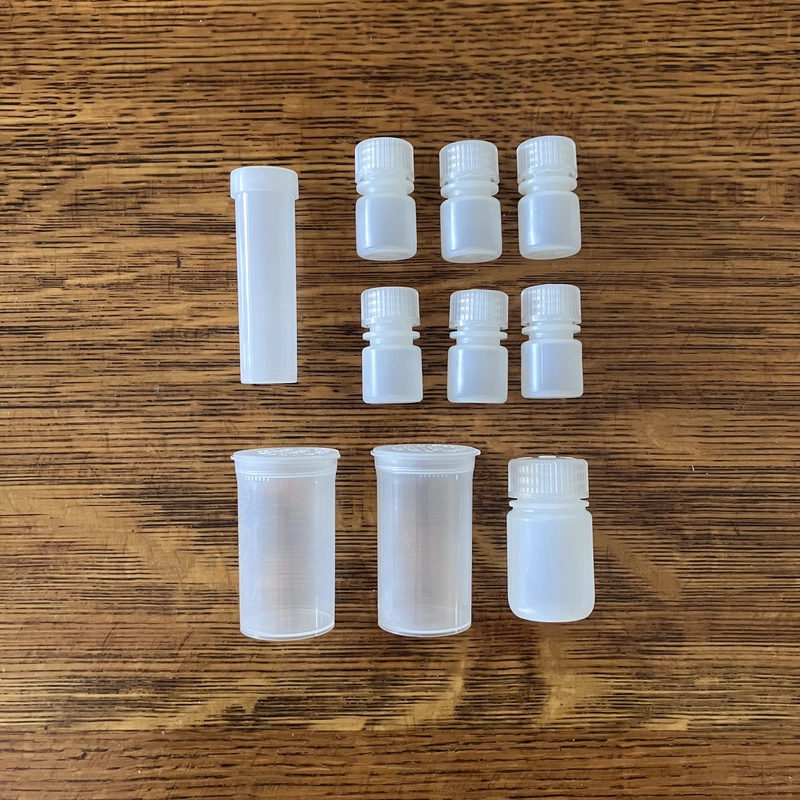
- 100 mg phenazopyridine HCl tablets (OTC) to relieve the pain associated with a urinary tract infection in a 1/2-ounce Nalgene bottle in one of the pack’s six loop Velcro strips. Note: Phenazopyridine HCl does NOT treat the infection but permits a relatively pain-free self-evacuation.
- One of the following oral antihistamines (OTC): loratadine (Claritin®) or cetirizine (Zyrtec®) to treat itching and hives. Antihistamines do not treat the life-threatening effects of anaphylaxis, and their use should never delay administering epinephrine.
- Scopolamine tablets or patch (Rx) to prevent sea/motion sickness.
- Two doses of Intramuscular epinephrine (Rx) via auto-injector or mini-vials to reverse the signs & symptoms of anaphylaxis.